Agios Efstratios (Ai Stratis) is a small island in the Aegean Sea, located approximately 19 nautical miles south of Lemnos. It has an area of 43.3 km² and a population of around 250 residents, living in the homonymous settlement. Administratively, it belongs to the Regional Unit of Lemnos within the North Aegean Region.
The island’s local economy is primarily based on fishing and livestock farming, with agriculture playing a smaller role. In recent years, the gradual development of tourism on the island has also been notable.
A key pillar of Agios Efstratios’ sustainable development strategy is the exploitation of Renewable Energy Sources (RES), as the island’s electricity system, isolated from the mainland and regional grid, until recently relied entirely on an autonomous fossil-fuelled thermal power plant, resulting in significant environmental and economic costs.
Island΄s coordinates: 39°34’09″N 25°00’09″E


The Settlement of the Island
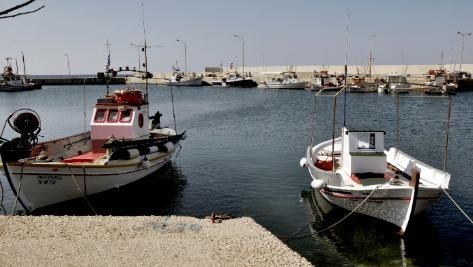
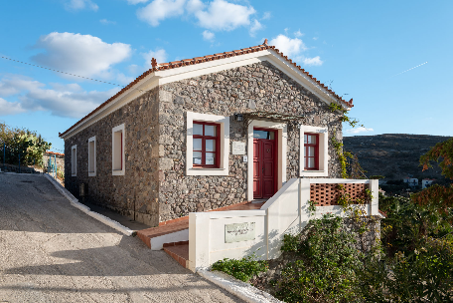
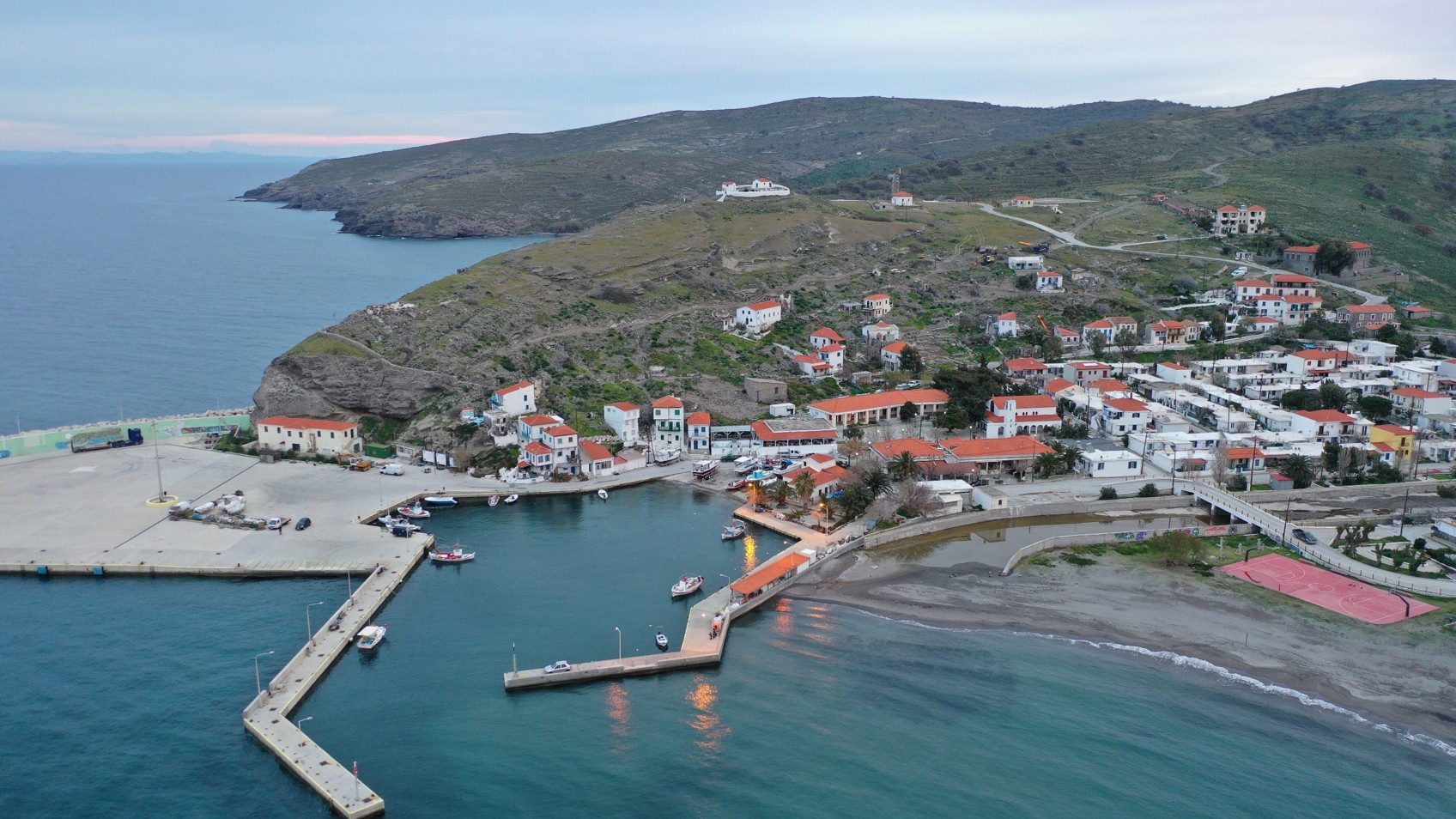
The settlement and the new port of Agios Efstratios are located in the north-western part of the island. The current settlement is relatively new, as after the devastating earthquake of 1968 the traditional, remarkable settlement was largely abandoned and a new one was built, with a unified urban planning, in the only extensive flat part of the island.
The new settlement is characterized by its rectangular street layout, simpler building construction, and an aesthetic of the built environment that differs from that of the old traditional settlement.



Morphology, Nature and Ecological Significance of the Island
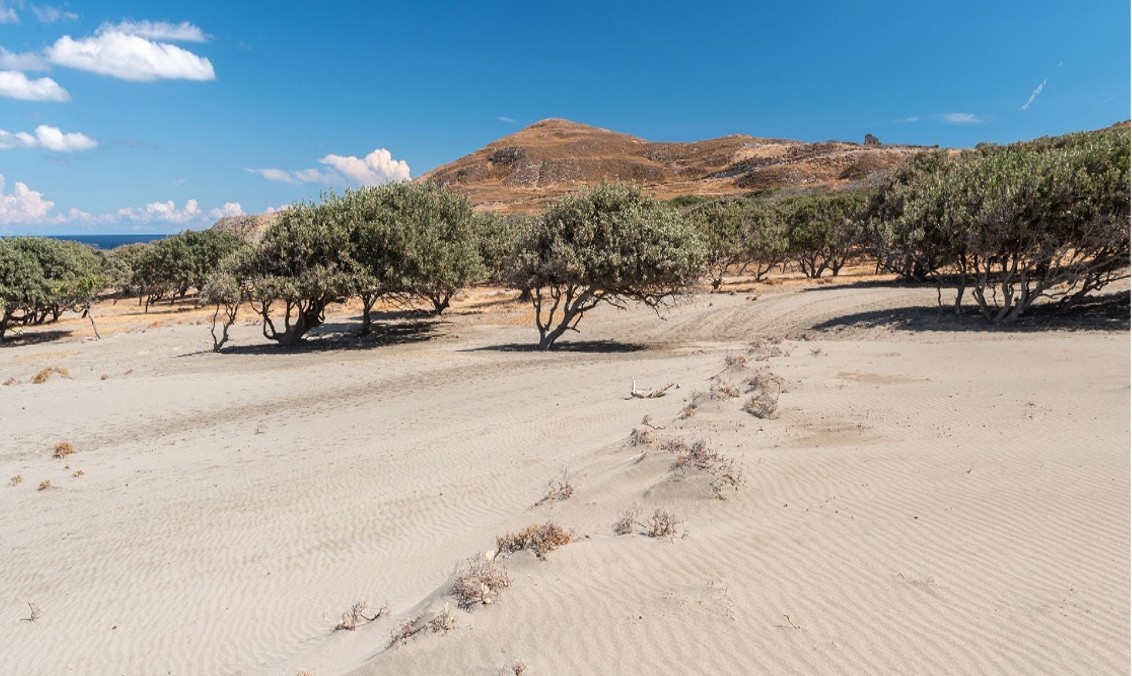
The island’s terrain is hilly, featuring a single ridge running from north to south. On either side of this ridge, secondary hill ranges are formed, with valleys in between that extend to the sea. Overall, the island is considered mountainous and has a volcanic geological composition.
The highest peaks of the island are Simadi (298 m.), Agios Alexis and Profitis Ilias. On the eastern and northeastern sides, the hills are interrupted by steep cliffs that descend into lowland areas at Avlaki and Alonitsi, reaching the sea. In contrast, the western side features hills alternating with small valleys that end in sandy beaches. In the northwestern part, the settlement of Ai Stratis, including the island’s port, lies in a valley adjacent to a sheltered bay.
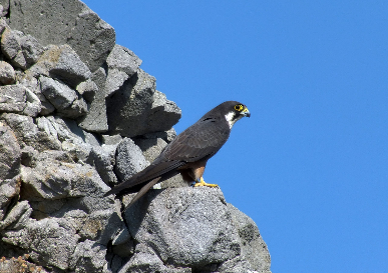
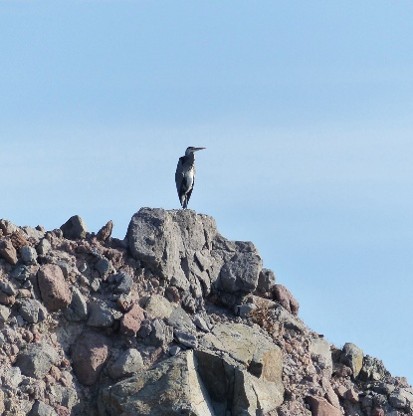
The high level of conservation of the natural environment, combined with its significant ecological value, make the island one of the best preserved ecosystems in the Aegean. The island, together with the surrounding marine area and the rocky islets that surround it, is a site of community importance and is included in the Natura 2000 network.
Despite the absence of surface water availability, the island has abundant underground springs, which maintain its rich and balanced ecosystem.